
Lesson Plan: Talking about People Through Objects
Poems on the Things People Carry with Them
By Dr. Zoë Brigley Thompson
You can use this 🎥 Video Link along with the workshop to help, or if you want to give this as an assignment to do at home. This lesson is dedicated to the young women of Proyecto Mariposas in Columbus, Ohio.
You might also want to watch this other 🎥 Video on 6 Tips for the Biographical Poems.
You can also download the workshop as an MS Word document here:
Grade Level: Middle School and up (can be adapted for ages 5–95)
Duration: 45–60 minutes
Lesson Objectives:
By the end of this lesson, students will be able to:
- Practice automatic/free writing
- Use sensory details and objects to describe someone they know
- Read and analyze a poem for poetic structure and imagery
- Write an original poem inspired by Marina Tsvetaeva’s style
Materials Needed:
- Paper or notebooks
- Pens/pencils
- Timer (phone or clock)
- Printed copy or projection of Marina Tsvetaeva’s poem (included below)
- Optional: Access to video here
Lesson Outline:
Introduction (5 minutes)
Introduce the workshop:
- This lesson is about writing poetry about people we know using imagination, memory, and emotion.
- Inspired by the Russian poet Marina Tsvetaeva, this activity focuses on free writing, imagery, and poetic structure.
Step One: Free Writing (10 minutes)
Instructions:
- Set a timer for 3–5 minutes.
- Think of someone you know well.
- Without stopping, write everything you can remember about them:
- What they look like
- How they act or speak
- What they wear
- Small, specific details
Purpose:
This exercise is meant to unlock memories and encourage flow—don’t worry about grammar or making it perfect.
Step Two: Read a Sample Poem (10 minutes)
Poem: “Poems for Blok” by Marina Tsvetaeva (translated by Zoë Brigley)
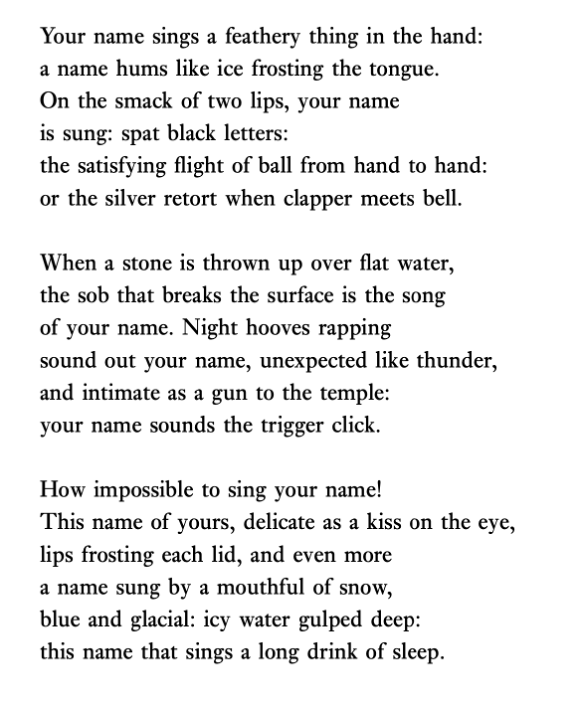
Discussion Prompts:
- What stands out about the language?
- What objects or sensations are used to describe the person?
- How does the poet convey emotion through imagery?
Step Three: Focus on Objects and Imagery (10 minutes)
Instructions:
- Review your free writing.
- Highlight or underline any specific objects or images.
- If you didn’t include any, brainstorm a short list:
- Something they carry or wear
- A gift they gave you
- A place or photo connected to them
- Objects they would use on a daily basis
- What was unique about them?
Goal:
Use tangible details to bring the person to life in your poem.
Step Four: Write the Poem (15–20 minutes)
Poetic Structure Ideas:
- Try using a repeated phrase such as:
- “Your name is…”
- “This person is…”
- Use the objects you listed as well as metaphor and simile to describe their presence, voice, or memory
- Example:
- “This person is the scarf left on the chair / The smell of pine after rain / The whisper of pages turning…”
Tip:
You can always revise and remove the repeated phrase later, but it helps build momentum and structure early on.
Sharing and Wrap-Up (Optional – 5–10 minutes)
- Invite volunteers to read their poems aloud
- Discuss:
- What did you discover about the person through this writing?
- What surprised you?
- How did structure or imagery help express your ideas?
Extension/Adaptations:
- Have students revise their poems and create a class anthology
- Use visual prompts (photos or objects) for inspiration
- Pair with a short lesson on Marina Tsvetaeva’s life or Russian surrealist poetry – you can find out more about her at the following sites and online articles:
 Women of Ohio